

Know the inputs.
Identify the sources, definitions, and planning period behind the scenario.
Aevah Decision Pre-flight
Change assumptions. Compare likely outcomes. Evaluate the next move before committing your budget, capacity, or business.
An interactive illustration. No email required.
Pricing · Promotions · Distribution · Production · Inventory
Explore Decision Pre-flight
Change the plan. Compare the impact on contribution and demand. See the constraint before it becomes a commitment.
01 / Change an assumption
Test a different window or investment. Check the plan against available supply.
02 / See the tradeoffs
This scenario fits the supply assumption. Your team still reviews the commercial case.
03 / Your team reviews. Your team decides.
Ask why. Change the assumptions. Test what happens next.
Explore the decision workflowFrom executive review to analyst drill-down
A useful scenario makes its reasoning inspectable. Know what went into the answer, what could change it, and who owns the next move.
Explore Security & Trust ↗Identify the sources, definitions, and planning period behind the scenario.
See what changed, what stayed constant, and where the model has limits.
Evaluate budget, capacity, and service constraints alongside uncertainty supported by the analysis.
Agree the reviewer, approval requirements, and measures for comparing expectations with actual outcomes.
Operational Data Science · The foundation underneath
Your business doesn’t operate in a closed dataset. Relevant external signals belong alongside your operational data.
Sales · Product costs · Promotions
Inventory · Production · Finance
Commodity costs · Fuel prices
Weather · Relevant market signals
Aevah
Connect and prepare the inputs. Build and validate the analysis. Keep the working experience current.
Decision Pre-flight
Your people retain authority.
Sources and analytical methods are selected and validated for the agreed decision.
See what powers Pre-flight →First Flight · How you start
Decision Pre-flight is what your team does with Aevah. First Flight is how we establish the first working scope together.
Name the owner, alternatives, business constraints, and measures that would make the work worthwhile.
Agree the relevant sources, analytical methods, access, deployment, and review requirements.
Validate the working experience, assess adoption and operating evidence, and decide what to refine or expand.
The data, models, timeline, and responsibilities are agreed for your use case and readiness.
Explore First Flight →The conversation continues
Perspectives, practical guides, and questions for leaders putting data and AI to work.
All insights & blog posts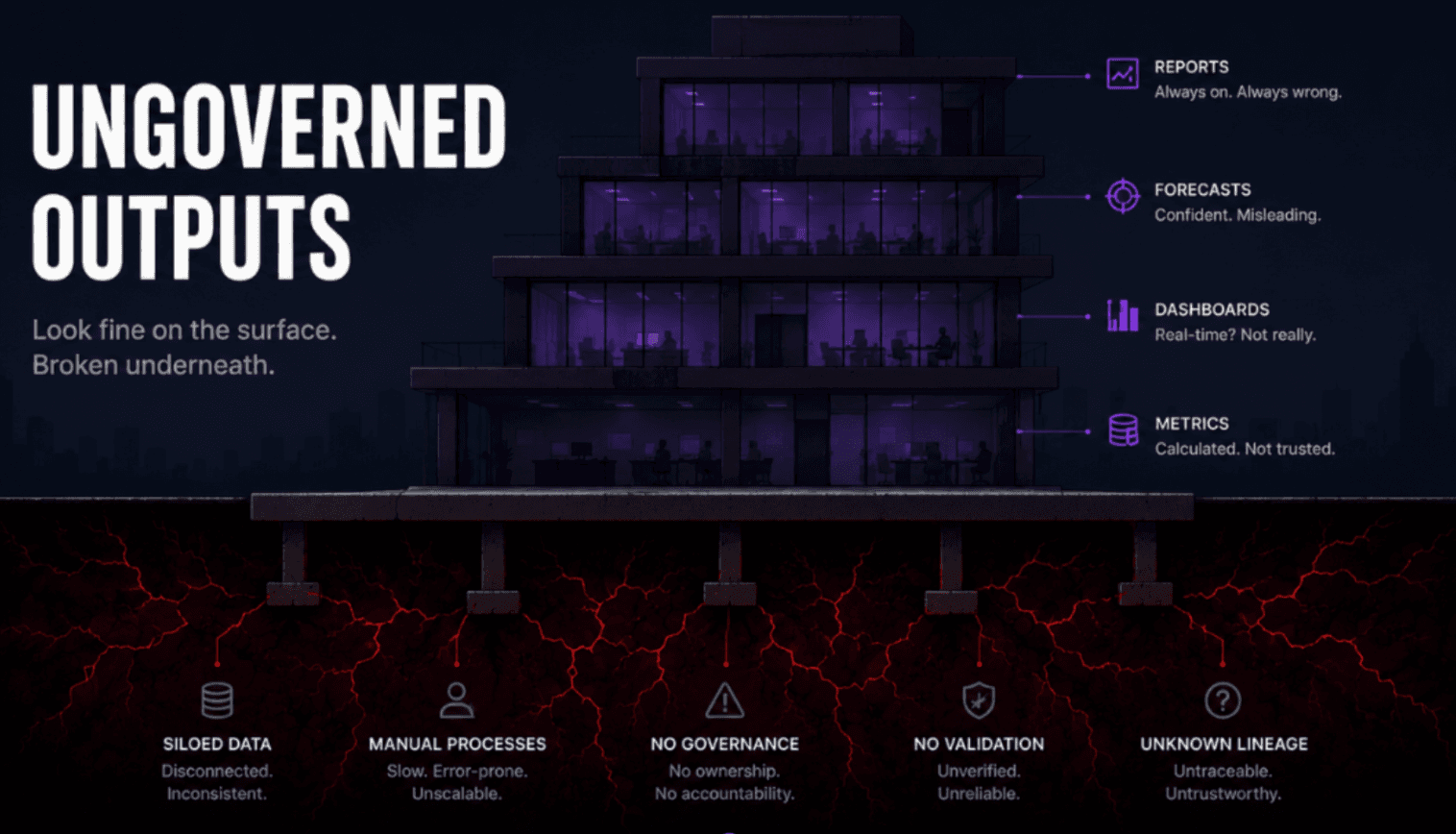
Ungoverned AI in finance is not just an IT risk. It is a fiduciary one. When a board asks how an AI-driven financial recommendation was made, the answer either traces cleanly to governed data — or it does not.
Read the insight ↗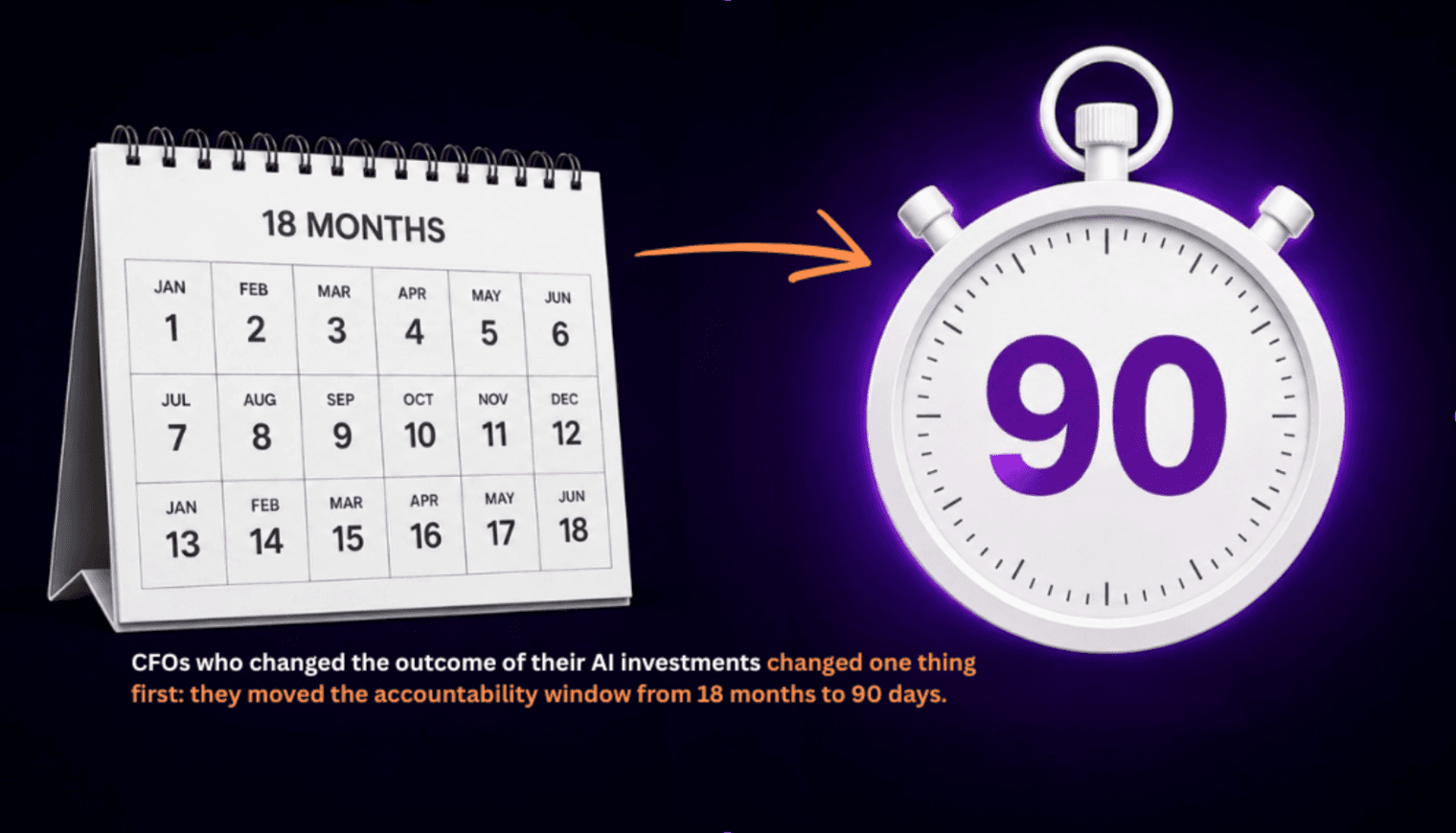
If a vendor cannot show you a measurable result in 90 days, ask why. Then ask it again. The 18-month implementation timeline is not a technical requirement — it is a commercial structure that protects the vendor, not the buyer.
Read the insight ↗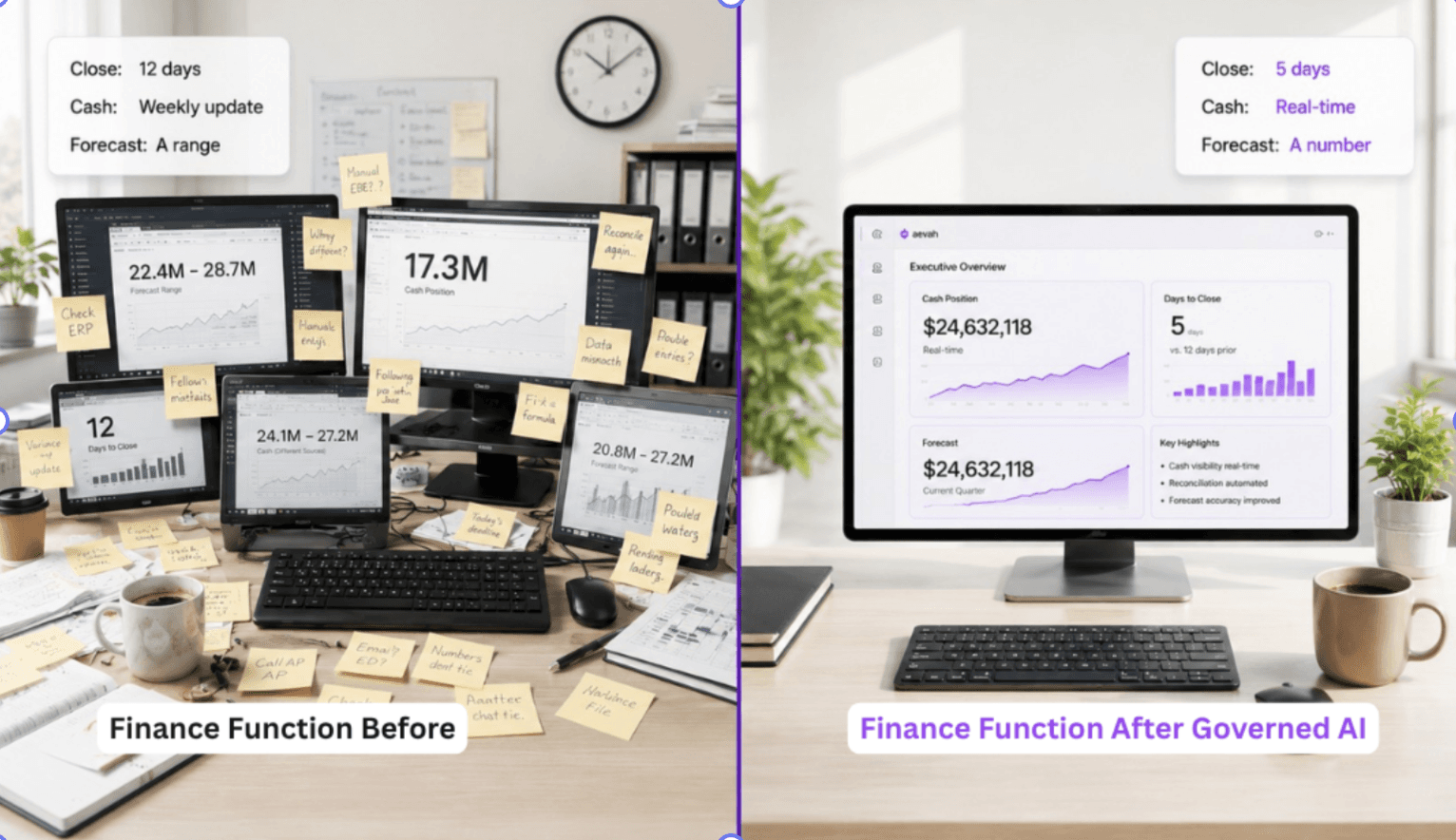
Not a vision piece. A practical look at what changes — operationally, relationally, and strategically — in the finance functions that got the implementation right.
Read the insight ↗Explore briefs, playbooks, and evaluation guides to use with your team.
Before the next commitment